
LIG
Larsen Innovation Group Operational visibility for horticulture

About

Grounded, independent support for horticulture and nursery businesses that need clear visibility and systems that work in real operations.

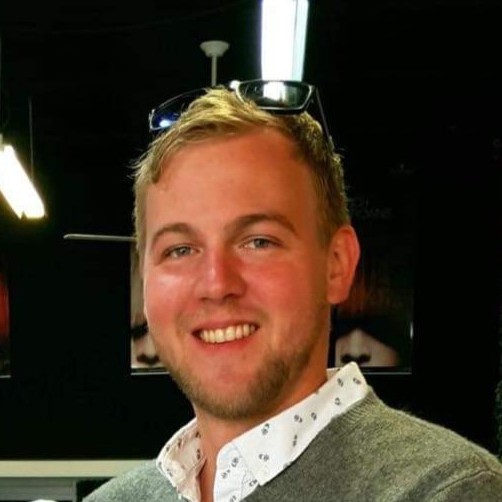
Alexander Larsen

Alexander Larsen

Ten years working across North Queensland horticulture operations - bananas, avocados, lychees, citrus, and broadacre. That experience shapes how I help businesses build practical visibility across pack sheds, irrigation, cold rooms, energy, and field work.

Why LIG exists

Farms often have data, devices, and software, but still do not have a clear view they can trust. The business ends up running on memory, workarounds, and whoever knows the most about one part of the operation.

That leads to slow decisions, key-person dependency, and drift after improvements go live. LIG exists to make operations clearer, build practical systems around real constraints, and keep them useful as the farm changes.

It also means measuring work in a way that helps staff: clearer expectations, better training, less firefighting, and fewer decisions made from memory.

What LIG is not

LIG focuses on practical visibility and systems that run. That means some common approaches are not part of how I work:

  • Technology for its own sake - without a clear job to do
  • Grant theatre that distracts from fixing the real operating problem
  • Recommendations shaped by vendor relationships or commissions
  • Fragile systems that only work if one person holds it all together

If your priority is validating a pre-decided vendor choice or buying tech before the visibility problem is clear, there may be a better fit elsewhere.

How you get there

The LIG Journey gives you a clear path from blind spots to visibility that is built into daily operations:

  • Identify - Find the blind spots and rank the visibility gaps that matter most.
  • Build - Build practical visibility systems around the top constraint.
  • Refine - Keep systems useful and improving so they do not drift.
  • Embed - Make visibility part of how the business runs, not a side project.

What this looks like

Most engagements start with Tier 1 - Identify (Visibility Sprint) - a fixed-scope assessment that maps the operation, ranks visibility gaps, and gives you a clear next step. From there, you might move into a focused build, ongoing improvement support, or a deeper level of integrated support across the business.

Whether the immediate issue is irrigation performance, energy use, pack shed throughput, cold room performance, nursery environment monitoring, or field data capture, the focus stays the same: improve visibility first, then build systems that reduce drift and key-person dependency.

Background

Before founding LIG, I spent a decade as Head of Technical Operations and Innovation/project manager for one of Australia's most diverse horticultural operations - bananas, avocados, coffee, blueberries, lychees, and citrus across multiple sites in North Queensland.

That role shaped how I think about visibility, constraints, and what it takes to deliver in the real world. Major projects included:

  • Design and project management of a 7,000m2 packing and processing facility with 1.5 acres of refrigerated space
  • Leading biosecurity implementation during the TR4 response - learning that systems only work when people can actually follow them
  • Designing and delivering 120Ha+ of tree-crop irrigation systems and an 80ML dam with associated pumping infrastructure
  • Energy infrastructure overhaul including solar integration, pivot redesign, VSD deployment, and remote monitoring - funded through Queensland's Large Customer Adjustment Trial
  • R&D work on mechanical packing systems that delivered 6x speed improvements (and taught me not to get precious when progress makes your work obsolete)

The common thread: you run a better operation when you can see what is actually happening, understand the constraint, and build systems the team can keep using.

That experience - across irrigation, pack sheds, cold rooms, energy, automation, and controls - is what I bring to LIG engagements. Not theory. Not vendor pitches. Practical visibility and systems built on a decade of making these decisions work in the real world.

Irrigation systems
Energy and tariffs
Pack shed operations
Control systems
Project delivery